 EN
EN
 AR
AR
 NL
NL
 FR
FR
 HI
HI
 IT
IT
 KO
KO
 PT
PT
 RU
RU
 ES
ES
 TL
TL
 ID
ID
 VI
VI
 TH
TH
 TR
TR
 AF
AF
 MS
MS
 UR
UR
 NE
NE
 TA
TA
 MY
MY
 UZ
UZ
 KY
KY

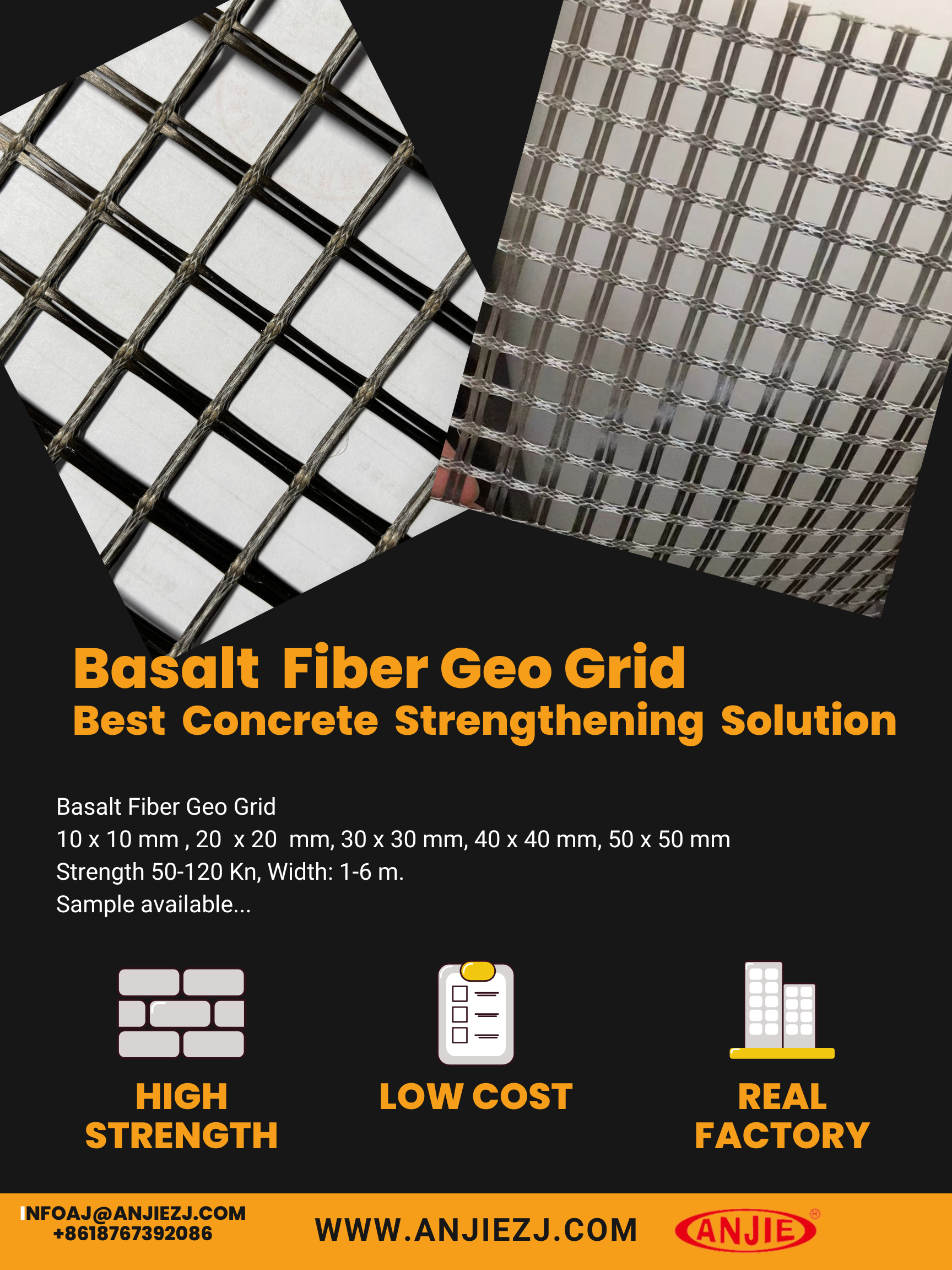
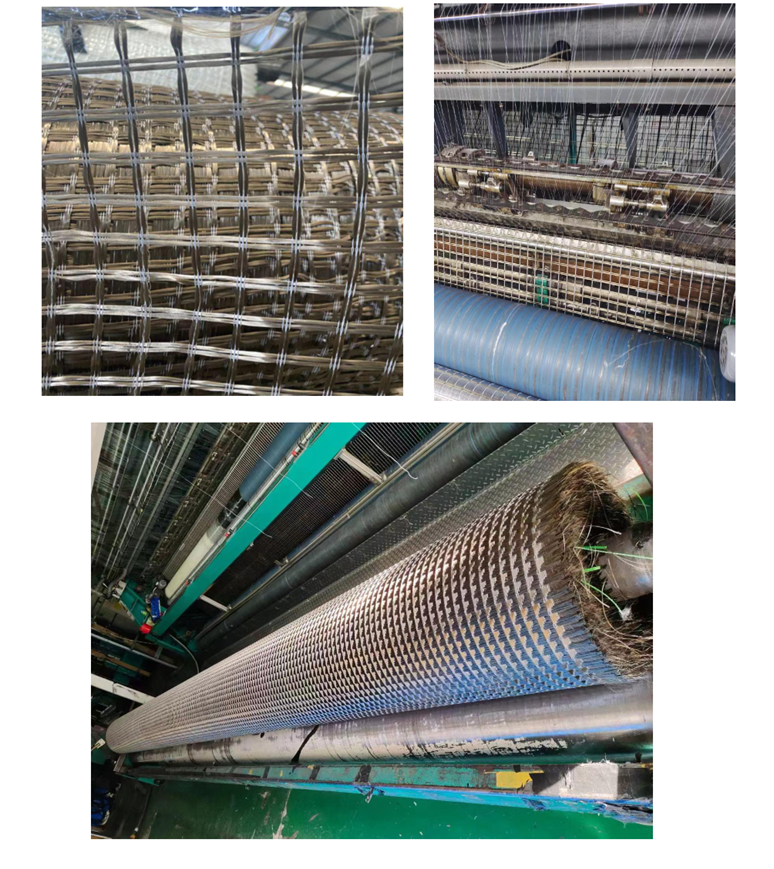
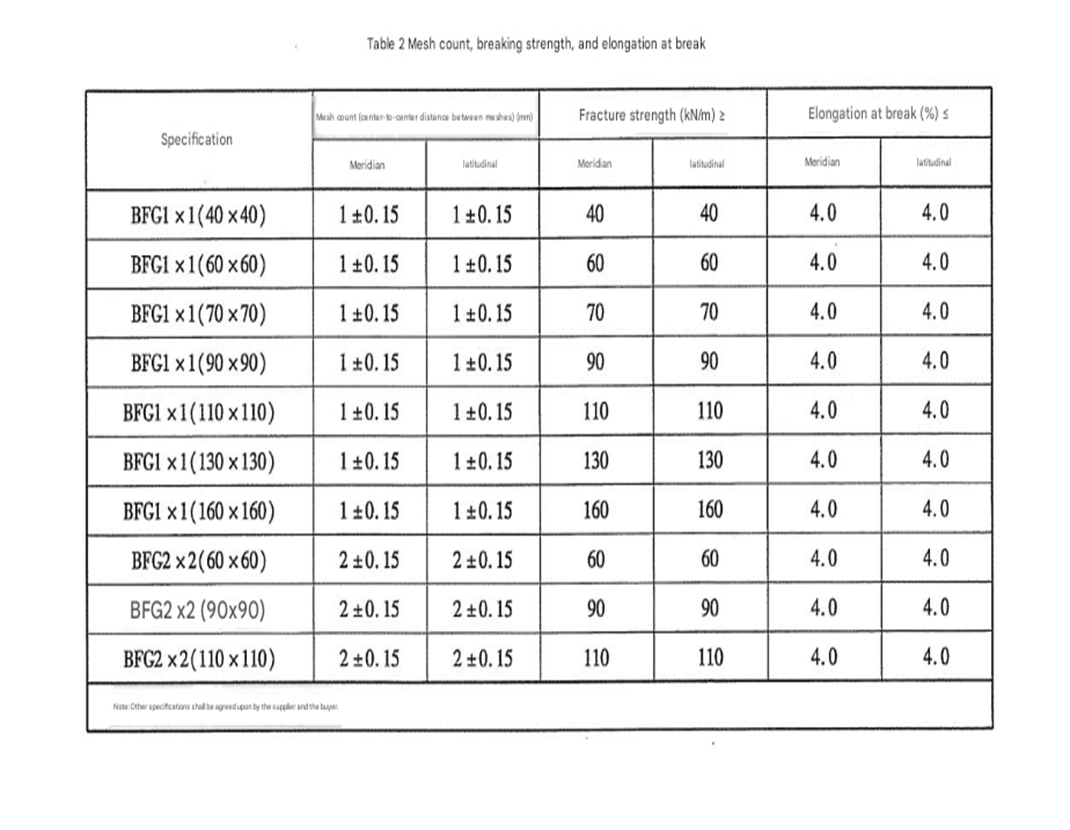
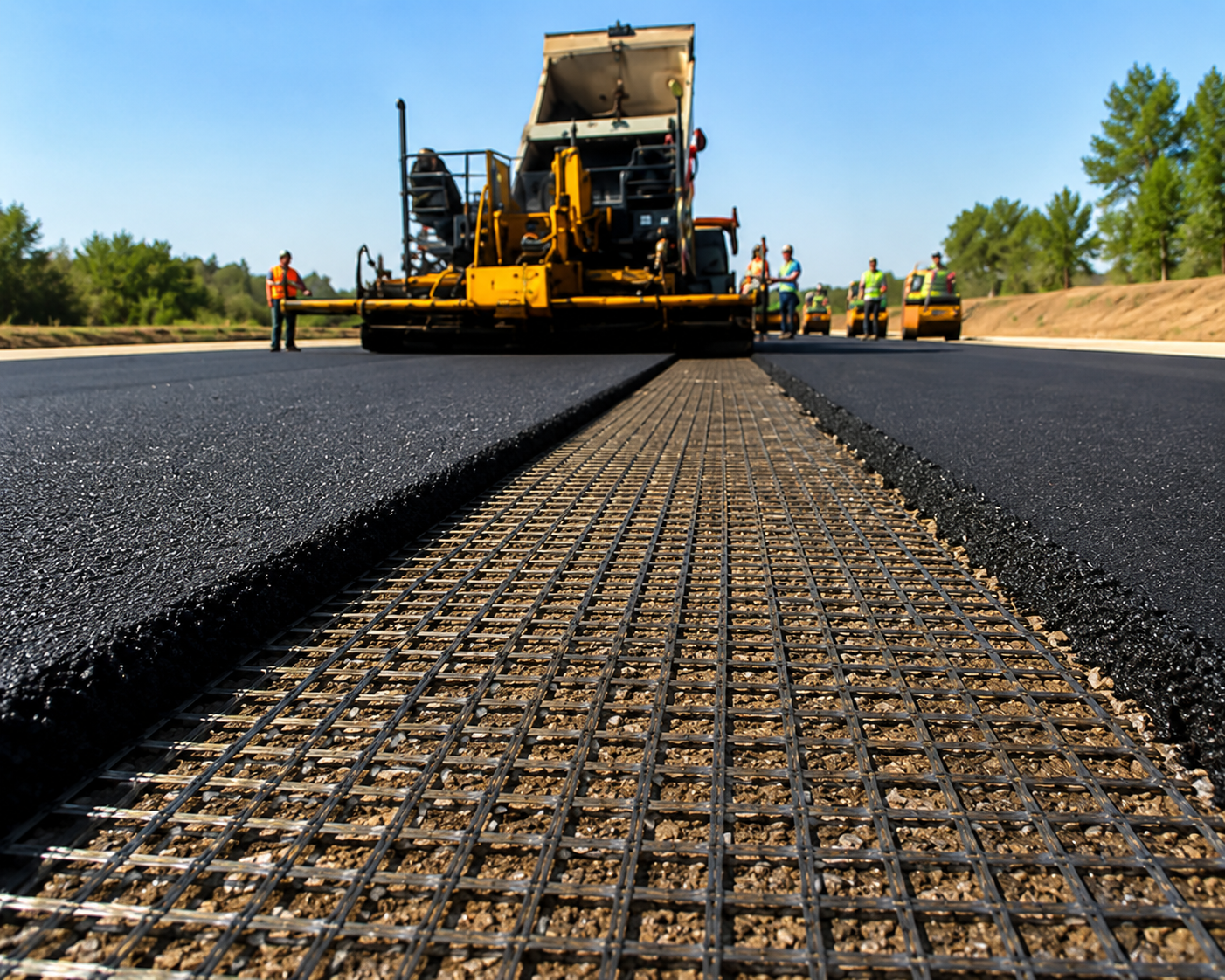
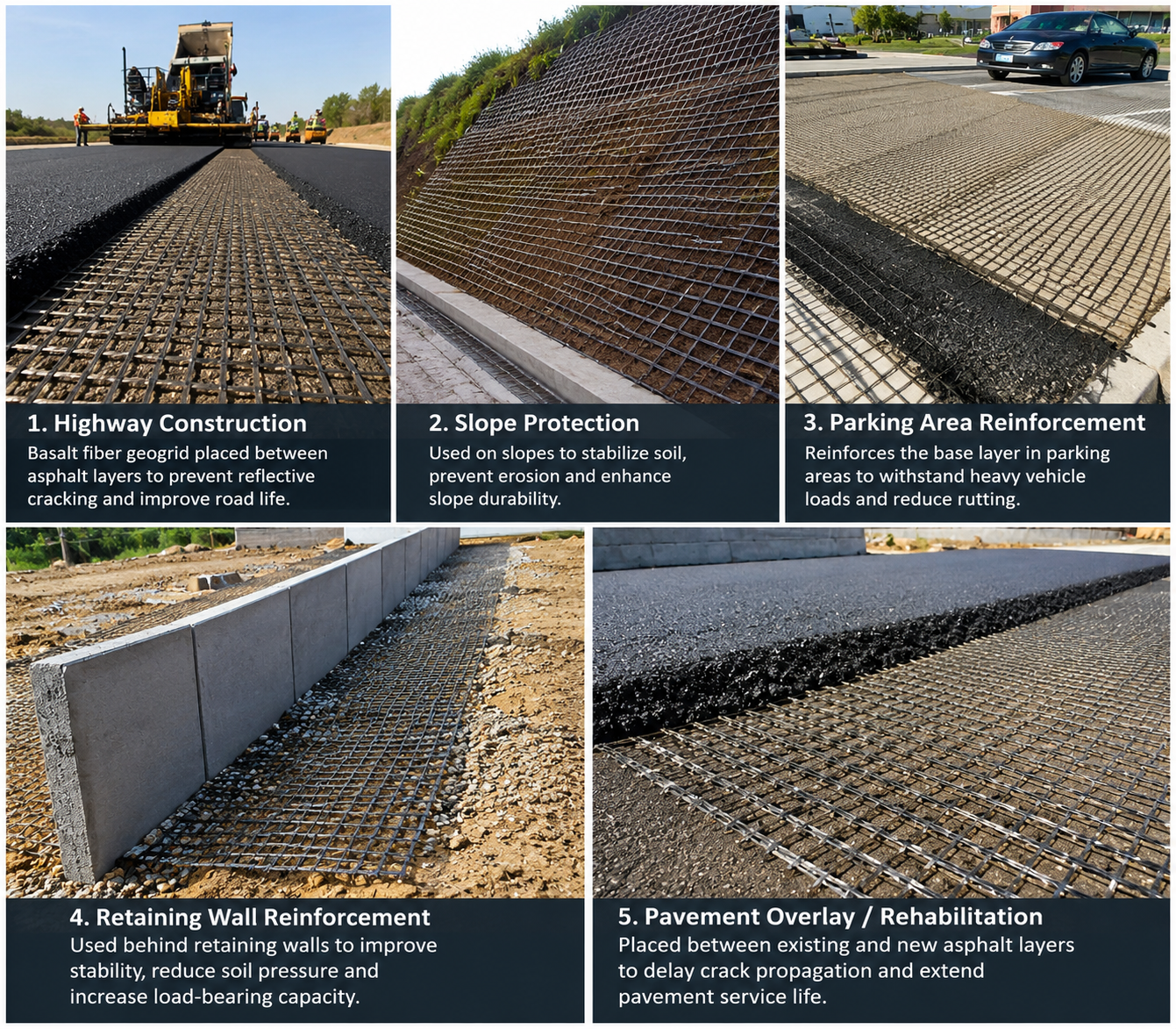
Basalt fiber geogrid is an excellent geosynthetic material used for road surface reinforcement, old road repair, and strengthening of roadbeds and soft soil subgrades. It has become an irreplaceable material in treating reflective cracks in asphalt pavements. This product is a semi-rigid product made by using basalt fiber to create a mesh substrate through internationally advanced warp knitting technology, followed by surface coating. It possesses high tensile strength in both warp and weft directions and relatively low elongation, along with excellent properties such as high-temperature resistance, low-temperature resistance, aging resistance, and corrosion resistance. It is widely used in the reinforcement of asphalt and cement pavements and roadbeds, as well as in railway subgrades, embankment slope protection, airport runways, and sand control projects.
(1) Product Introduction Basalt geogrid is a flat network material made of basalt fiber yarn that is resistant to alkali, acid and corrosion. It is woven into a base material using advanced foreign warp knitting machines and adopts a warp-knitted orientation structure. It makes full use of the yarn strength in the fabric, so that it has good tensile strength, tear strength and creep resistance. It is coated with high-quality modified asphalt. Basalt geogrids possess the advantages of basalt fibers, including high temperature resistance, freeze-thaw resistance (-260-650℃), a thermal expansion coefficient consistent with asphalt concrete, high tensile strength, UV protection, good chemical stability, and aging resistance. These advantages allow them to be used for pavement reinforcement, resisting road defects such as cracks and rutting, thus solving the problem of the difficulty in reinforcing asphalt pavements.
The elastic modulus of basalt fiber asphalt concrete at room temperature is as high as 24:1 compared to that of asphalt concrete, exhibiting very high resistance to deformation and an elongation at break of approximately 3.1%. Basalt fiber possesses advantages such as high temperature resistance, freeze-thaw resistance (-260-650℃), consistent thermal expansion coefficient with asphalt concrete, high tensile strength, UV protection, good chemical stability, and aging resistance. Since the mixing temperature of asphalt mixtures reaches over 190℃, high-temperature resistant basalt fiber is a highly competitive new material to replace polyester fiber and lignin fiber. It is suitable for high-temperature resistance requirements during asphalt mixing and construction at temperatures up to 190℃, and is also an excellent building material for enhancing the seepage prevention and crack resistance of cement concrete.